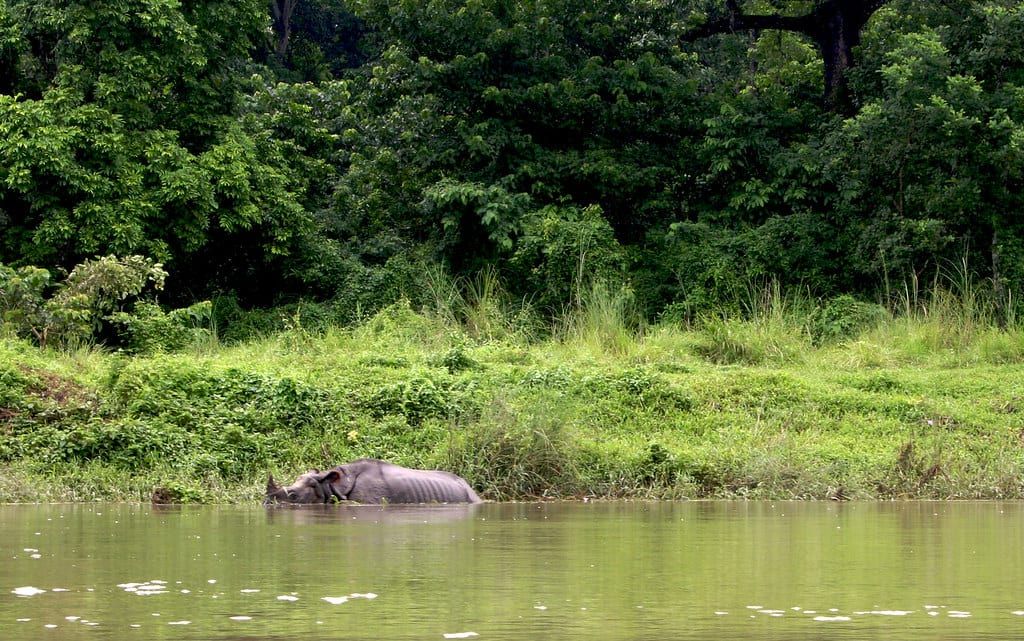
Chitwan National Park sits in Nepal's subtropical Terai lowlands, 160 km southwest of Kathmandu, and its calendar runs on a rhythm the Himalayan hills never see: a long dry winter, a furnace of a spring, and four months of monsoon that flood the jeep tracks and half of Sauraha town. Time it right and you'll watch one-horned rhinos graze the Rapti river flats under a clear 25°C sky. Time it wrong and your safari is cancelled before breakfast.
This guide gives you the verdict up front, then works through every month, every safari activity, the festivals and the money — so you can match the trip to what you actually care about: tigers, birds, budget or family comfort.
Quick Answer: When Is the Best Time to Visit Chitwan National Park?
October to March. That's the answer for most travelers. The monsoon has ended, the skies are clear, daytime temperatures sit between 21 and 29°C, and the drying park pushes wildlife toward rivers and waterholes where jeeps can find them. Within that window there are two sub-wins worth knowing: February to May for maximum wildlife concentration, and November to January for migratory birds and the sharpest mountain views.
The one window to avoid is mid-June to late September. The park itself stays open, but the annual monsoon suspension of jeep safaris and jungle activities inside it runs roughly July 1 to early October — in the most recent season, safaris resumed on October 7. More on that below.
So match the month to your priority:
- First-timers: October–November — clear skies, a lush green park, everything running.
- Tiger-seekers: February–May, when short grass and shrinking waterholes concentrate animals.
- Birders: November–February, the migratory peak.
- Budget travelers: April or September — lower prices, thin crowds.
- Families with kids or elders: December–February — gentle midday temperatures, easy activities.
- Photographers: mid-December to late January for dawn mist on the Rapti.
Most visitors reach Chitwan as one leg of a Kathmandu or Pokhara circuit — see getting to Chitwan for bus, flight and private-transfer options — and the 5–7 hour road journey from the capital is reason enough not to waste a day on a washed-out safari.
Chitwan's Climate at a Glance: Month-by-Month
Chitwan has a subtropical monsoon climate, and it runs on three seasons rather than four: a dry, pleasant winter from October to February or March, a fiercely hot pre-monsoon from March to May, and the monsoon itself from June to September. The park lies at just 100–815 m elevation on the Terai plains, which is why it's so much hotter and wetter than Kathmandu, 1,400 m up in the hills. Around 80% of Nepal's annual rain falls between mid-June and late September, most of it here in the lowlands.
Daytime highs swing from about 21°C in December to 37°C in May, and January nights can skim freezing. Here's the whole year in two tables, with a verdict on each month.
| Month | Typical weather | Rain | Crowds | Verdict |
|---|---|---|---|---|
| October | Warm days near 29°C, drying out fast | Low | High | Best |
| November | Clear skies, ~25°C days, cool nights | Low | High | Best |
| December | Days ~21°C, nights ~8°C, misty dawns | Low | High | Best |
| January | Coldest month; nights can touch 0°C | Low | Moderate | Best |
| February | Warming, grass being cut and burned | Low | Moderate | Best for tigers |
| March | Heating up, dry, visibility at its best | Low | Thinning | Good — hot |
| Month | Typical weather | Rain | Crowds | Verdict |
|---|---|---|---|---|
| April | Mid-to-high 30s°C, haze builds | Low | Thin | Good — hot, great value |
| May | Hottest month, 37°C and up | Occasional storms | Thin | Good for wildlife, hard heat |
| June | Monsoon builds from mid-month | Heavy | Very thin | Avoid from mid-month |
| July | Wettest month, ~24 rain days | Very heavy | Very thin | Avoid — safaris suspended |
| August | Still soaked; some lodges shut | Very heavy | Very thin | Avoid — safaris suspended |
| September | Rains ease late month | Heavy, easing | Thin | Improving; safaris resume early October |
One honest caveat about rainfall figures: sources disagree. One published chart puts July's rainfall at 868 mm; others sit closer to 370 mm. Measure stations and averaging periods differ across the Terai. Treat the numbers above as direction, not scripture — the reliable fact is that July has rain on roughly 24 days and that everything measurable about the park changes with it.
Season by Season: What Each Period of the Year Is Actually Like
The climate table tells you what the weather does; this section tells you what it feels like on the ground — how the animals behave, how busy the park runs, and what each stretch of the year is genuinely good for. Every month of the year lands in one of these four blocks.
October–November: The Post-Monsoon Peak
This is Chitwan at its most photographed. The monsoon has just quit, the sal forest and grassland are still green, the air is washed clean, and afternoons hold around 25–29°C with cool evenings. It's also when Nepal's two biggest festivals, Dashain and Tihar, fill the towns with music — a genuine bonus, with one practical catch covered in the festival section below.
Wildlife viewing is good rather than at its peak: the grass is still tall after the rains, so you'll see rhinos and deer on the river flats, but tigers stay hidden. What you get instead is the clearest air of the year — on a sharp November morning the Annapurna range is visible on the horizon from the Terai's edge. The trade-off is crowds and price: October through February runs 20–30% more for safaris and hotels, and November lodges in Sauraha book out weeks ahead. Book early, and don't arrive expecting a quiet park.
December–February: Cool Mornings, Mist and Migratory Birds
Winter in Chitwan is mild by day and genuinely cold by Terai standards at dawn. Afternoons run 21–25°C; mornings start near 8°C, and January nights can skim freezing. Travelers are regularly caught out by this — one recurring visitor report calls the mornings "very cold and humid" — so pack a fleece for the 6 AM jeep departure even though you'll be in a T-shirt by noon.
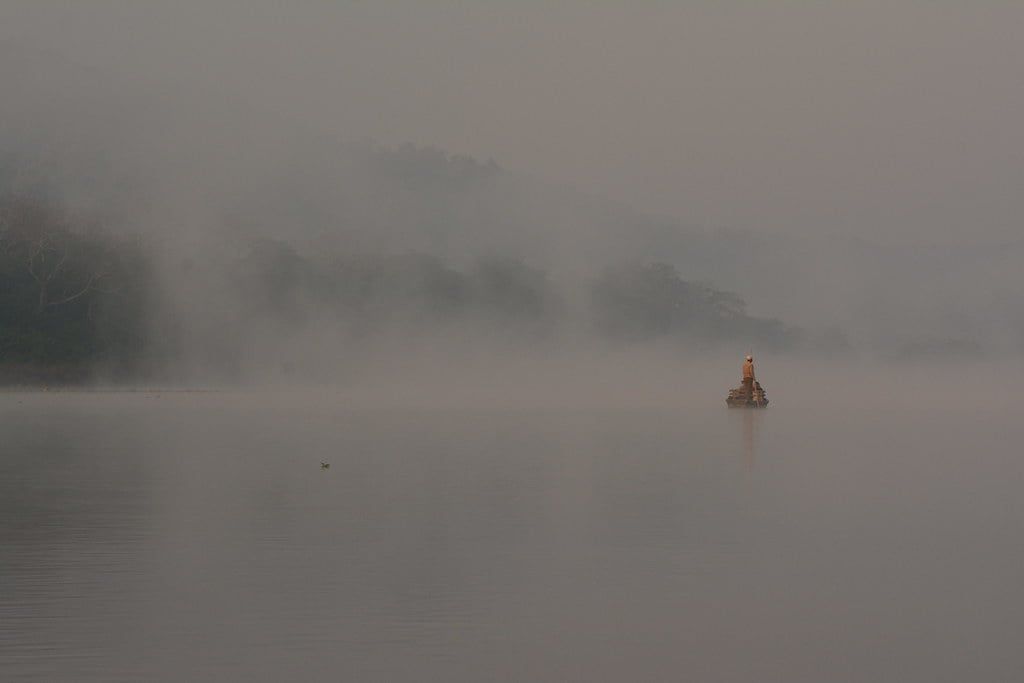
The seasonal prize here is the mist. From roughly December 15 to January 31, the Rapti Valley fills with low dawn fog, and rhinos emerge onto the river flats as dark shapes drifting through it — the single most atmospheric wildlife moment the park produces. Winter also brings the birds: around 160 migratory species arrive between October and February, joining a park list of more than 500. And with the grass thinning, visibility keeps improving. Families and older travelers do best in these months: midday heat is gentle, jeep safaris and canoe rides suit all ages, and children under 10 enter the park free.
March–May: Heat, Short Grass and the Best Sightings
The wildlife peak and the comfort low point arrive together. From January to March, locals cut and burn the park's towering elephant grass under controlled fires, and by February and March the visibility change is dramatic — animals that were invisible in December's wall of grass can be seen from hundreds of meters, sometimes at a few feet. Add temperatures of 35–40°C with May highs pushing past 37°C, and every living thing in the park crowds the shrinking waterholes at dawn and dusk. This is the window for serious mammal-watching: February and March are the consensus peak months for tiger encounters, and the odds stay strong into April and May.
Know the costs. April brings haze from traffic, brick kilns and waste burning that flattens the landscape views — fine inside the forest, disappointing if you wanted mountain backdrops. The heat is a real constraint too: plan safaris for first light and late afternoon, book an air-conditioned room, and drink more water than feels necessary. In exchange you get the year's emptiest trails and lodges at shoulder-season prices. For a tiger-focused trip, this trade is worth it.
June to Mid-September: Monsoon — Suspended Safaris, Quiet Rivers
Let's kill the biggest myth first: the park does not close in monsoon. What happens is that jungle activities inside it are suspended every year for visitor safety — jeep tracks flood, and walking becomes genuinely hazardous. In the most recent season that suspension ran from July 1 to October 7, which is a typical span. Some lodges in Sauraha shut entirely for these months, the town itself is prone to flooding, and leeches own the wet forest. Check where to stay in Chitwan and confirm directly what's operating before you book anything for June–September.
Who does this season suit? Travelers content with the Tharu villages, cultural shows and the buffer-zone wetlands on dry days, photographers who want a saturated-green park with nobody in it, and anyone on the tightest possible budget — this is the cheapest time to be here, with flexible bookings to match. If a jeep safari is the reason you're coming, it isn't worth the gamble. Wait for October.
Best Time for Each Safari Activity
When you go shapes what you can actually do, not just what you see. For a full rundown of how the safaris work — permits, guides, costs — read the companion Chitwan safari guide; here's the timing angle on each activity.
Jeep Safaris and Tiger Tracking
Jeep safaris run October through June, departing around 6–7 AM and again mid-afternoon. A shared half-day safari lasts 4–5 hours and covers the river flats near Sauraha; a full-day private safari runs 7–10 hours and goes deep into the park's core. That difference matters if tigers are the goal: one wildlife specialist reports tiger sightings on roughly three quarters of its trips, specifically because those itineraries stack multiple full-day safaris into remote zones. On a generic half-day tour the odds are far lower. Chitwan holds 145 tigers in the 2025 national census — Nepal's largest population — but the park is 952 sq km, so time and depth are what buy you a sighting.
Month-wise, target February to May, when burned grass and desperate waterholes concentrate the park's bigger animals in the open. November to February is the next-best window, with tigers drawn to waterholes at dawn and dusk. Either way, book the earliest departure your lodge offers.
Walking Safaris
Chitwan is unusual in letting you walk inside a tiger park at all, and the dry months of October to March are when these walks work best — no leeches, hard ground, and short grass. You'll be flanked by two trained guides, one in front and one behind, armed with nothing more than bamboo sticks. The animals to respect are rhinos and sloth bears, not tigers: rhino charges kill people in this district most years, so when a guide says move, you move instantly. Walks run 2–4 hours through tall grass and sal forest, and they're the activity to skip if you're traveling with small children or anyone unsteady on their feet.
Canoe Trips on the Rapti
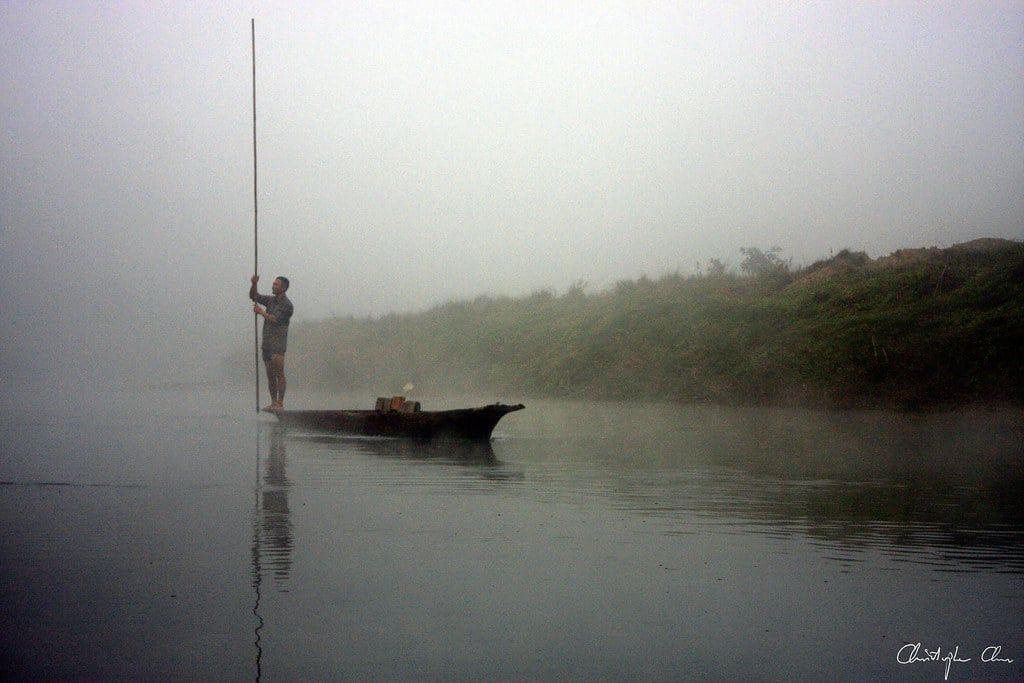
The dugout canoe trip — an hour or two drifting past gharials and marsh mugger crocodiles, roughly NPR 1,000–1,500 per person — depends entirely on river level. In the dry season the Rapti is calm and low, and the drift is silent and close to the banks. In monsoon the water rises and the current strengthens enough that trips are interrupted or cancelled outright. October through June is your window, with early mornings best for birds along the banks.
Birdwatching
The park's official list runs to 544 bird species, and the calendar splits neatly in two. November to February is the migratory peak, when roughly 160 winter visitors — storks, eagles, waterfowl — join the residents; this is the window to plan around. A second migration passage runs September to November and February to April, when passage migrants move through. Dawn is everything: canoe trips and walks along the Rapti wetlands deliver the best lists, and cycling out to the Beeshazari Tal oxbow lakes in the buffer zone costs about NPR 500 in bike rental and no permit queue at all.
Photography and the Elephant Question
For pictures, two windows stand out. Mid-December to late January gives you the dawn mist — rhinos as silhouettes in fog on the Rapti flats, worth getting up in the cold for. October and November give you washed-clean light and a park still green from the rains. April is the month to avoid behind a lens: the haze from brick kilns and crop burning flattens even mid-range landscapes, though forest interiors still shoot well. Bring the longest lens you own and a dry bag for the canoe.
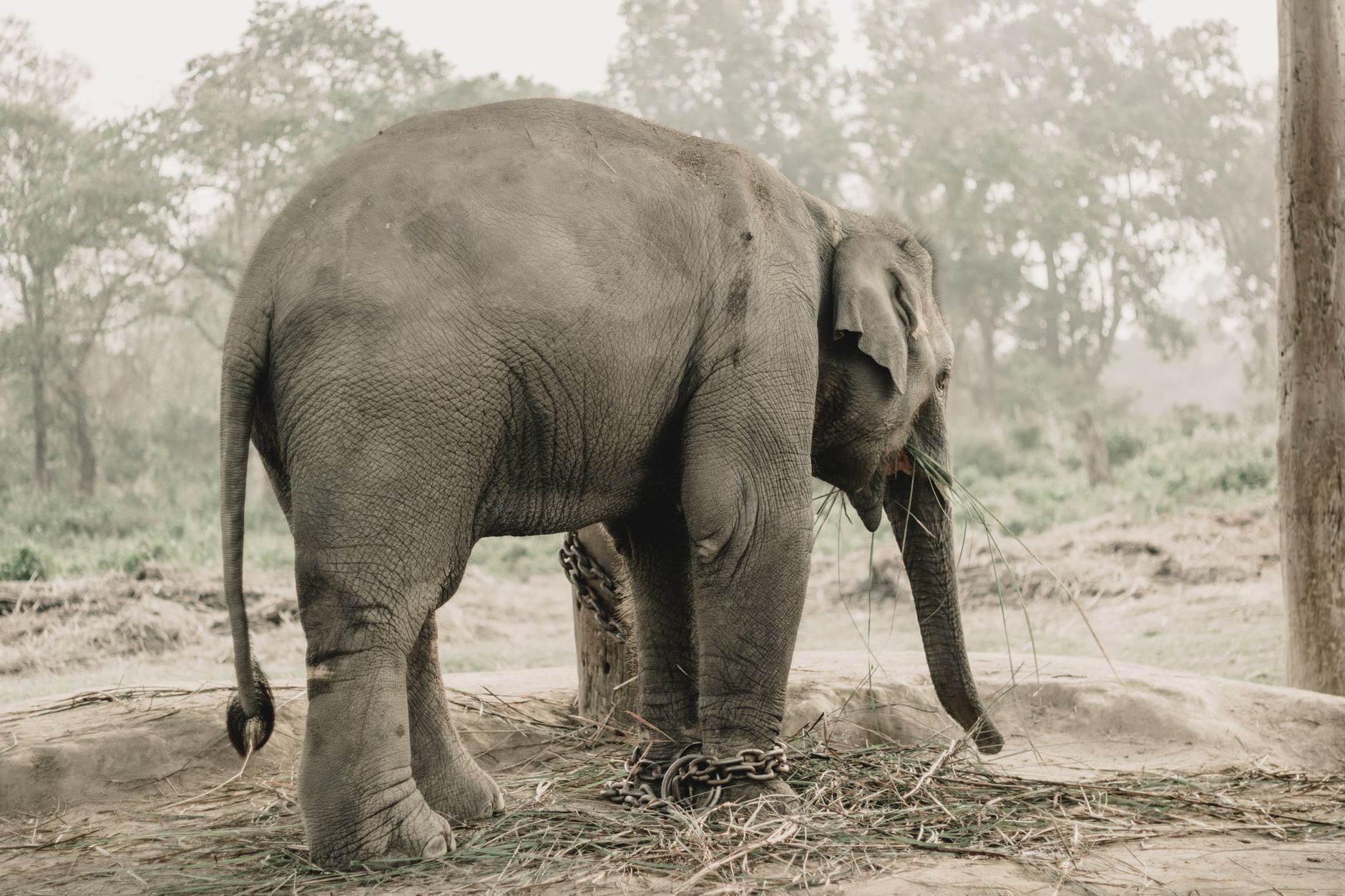
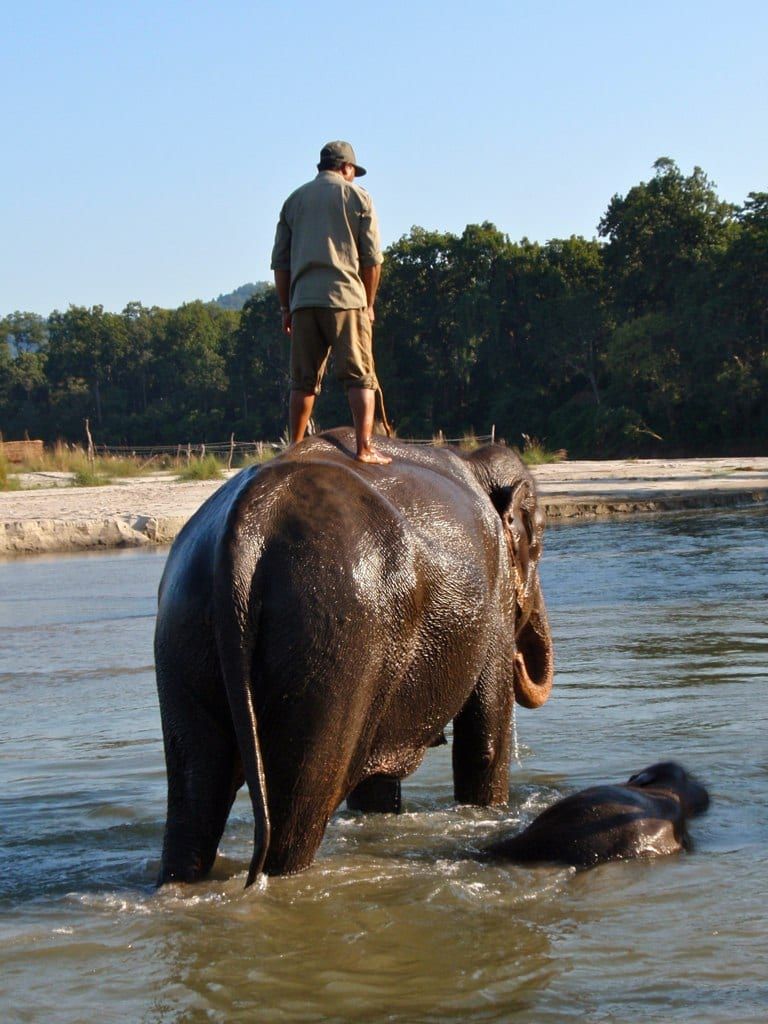
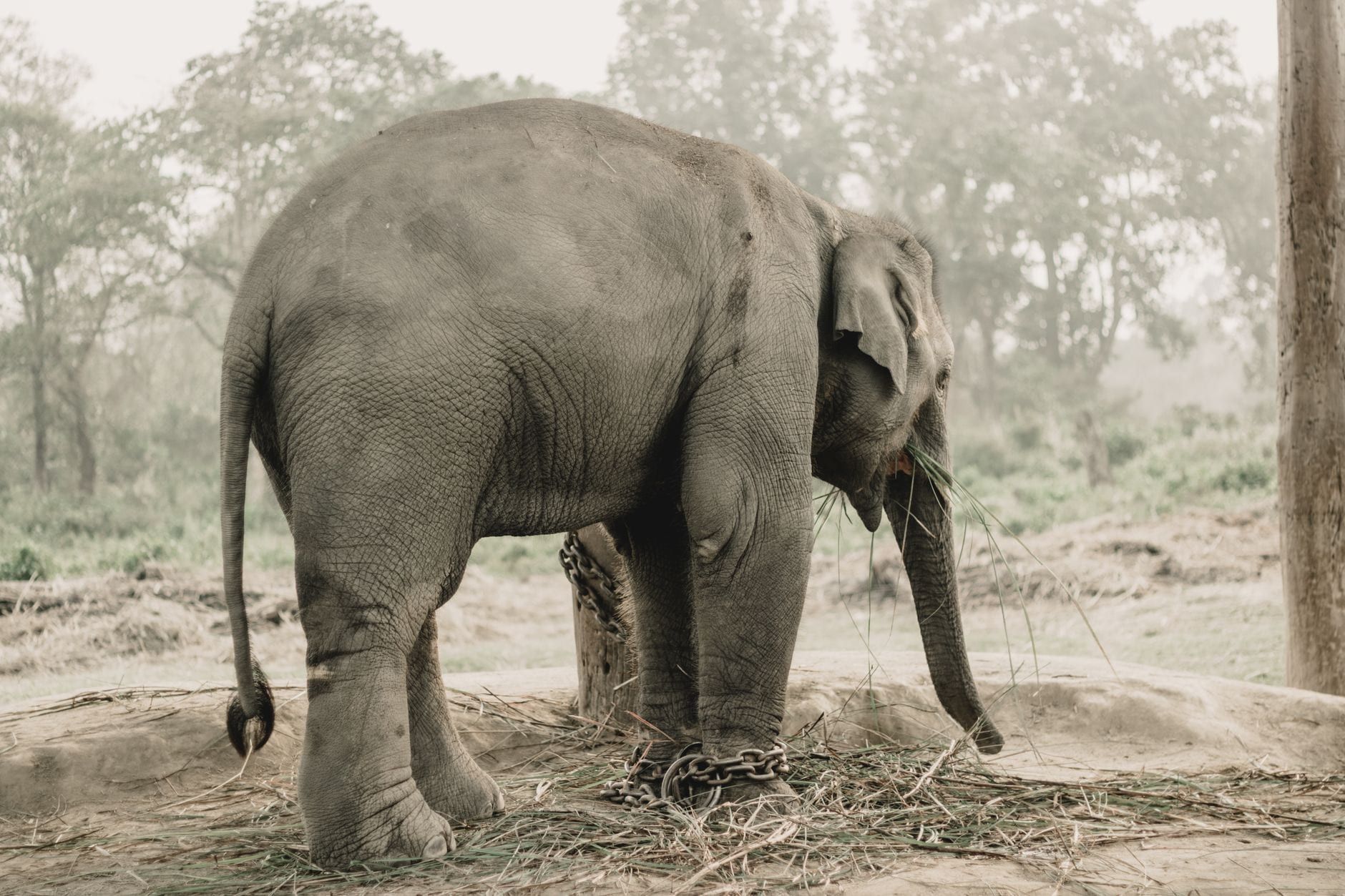
On elephant-back rides: they're limited or suspended in the monsoon, and a growing number of travelers skip them on welfare grounds regardless of season. The jeep, walking and canoe safaris are the alternatives, and frankly they're better wildlife experiences — quieter, closer to eye level, and no ethical asterisk.
Festivals and Cultural Events by Month
Festivals won't decide your trip on their own, but they make a good tie-breaker between two similar months — and one of them comes with a staffing warning.
January brings Maghi, the Tharu New Year, with the Lathi Nritya stick dance and village feasts across the Terai — the best single month to see Tharu culture performed by the community rather than for a tour group. The Chitwan Bird Count, a citizen-science survey, runs the same month and is open to visiting volunteers.
October is Dashain, Nepal's biggest festival, followed within weeks by Tihar, the festival of lights. The spectacle is real — but so is the catch: many Nepali-owned lodges run skeleton staff while employees go home to their families, so service slows exactly when visitor numbers peak. If you're booking an October trip, confirm staffing with your lodge in advance.
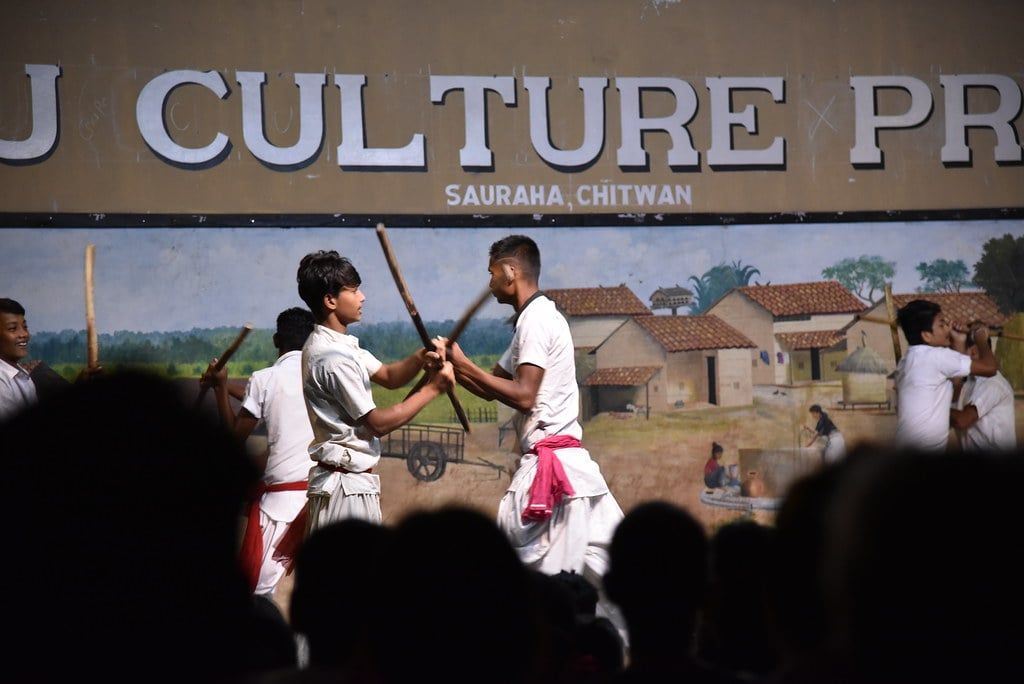
December hosts the Sauraha Elephant Festival, which in recent years has shifted toward welfare and conservation programming. And when the national rhino census runs — it's held in April, most recently in 2021 — hundreds of counters on elephant-back sweep the park for days; it's a genuine spectacle and a sign of the recovery behind the numbers, with Nepal's rhino population up from about 372 in 2015 to 752 in 2021, 694 of them here in Chitwan.
Tharu cultural shows and village walks run year-round in Sauraha and need no park permit. They're most comfortable October through March, when the evening air is cool enough to enjoy an hour of drumming.
Crowds, Prices and When to Book
October to February is peak season, and the market behaves like it: safari and hotel prices run 20–30% higher, lodges overbook around Christmas and New Year, and the best rooms in Sauraha need booking weeks ahead — the festive fortnight even earlier. The cheapest way to travel in peak is simply not to: tours from Kathmandu booked as packages often bundle transport and activities at better rates than assembling them yourself in high season.
April and September are the value sweet spot — shoulder months with thin crowds, discounted rooms, and (in April's case) the year's best wildlife concentration as compensation for the heat. Late September carries monsoon-edge risk; early October catches the peak at shoulder prices. Monsoon proper is the cheapest time to be here, with flexible bookings everywhere, but verify what's actually operating before you pay: suspended safaris and closed lodges are the fine print.
Two things to plan regardless of month. First, budget enough nights: two nights is the standard package and delivers a jeep safari, a canoe ride and the cultural show, but three or four nights is what improves tiger odds, because it allows a full-day safari. Second, remember the cost structure — the foreigner entry fee is NRs 2,000 per person per day, and the jeep jungle-drive permit is another NPR 5,000 per vehicle, none of it bundled automatically. Current figures are on the hours and entry fees page.
What to Pack by Season
The packing mistake people make in Chitwan is packing for the afternoon instead of the safari. Dawn game drives in December and January run at 8°C and damp, in an open jeep, at speed — travelers consistently report being colder than they expected. Then the same day hits 25°C by lunch. Layers are the whole game.
- Winter dawns: fleece, beanie, gloves — cold and humid in an open jeep.
- Hot season: breathable neutral clothing, sun hat, sunscreen, extra water.
- Monsoon: raincoat, quick-dry clothes, leech socks or strong repellent.
- Always: binoculars, a long zoom lens, insect repellent, dull earth-tone clothing.
- Long sleeves on jungle walks — sun, insects, thorny grass.
Colors matter more than style: bright clothing and perfume alert wildlife, so khaki and green win. Drones are on the park's prohibited list without special written permission, so leave the flying camera at home. And if you're coming February through May, pack for haze as well as heat — clear forest light, but no mountain panoramas.
Frequently Asked Questions
What is the best month to visit Chitwan National Park?
November is the best all-rounder: clear post-monsoon skies, days around 25°C, the festival season, and migratory birds arriving. If big mammals matter more than comfort, go February or March instead — the grass is cut and burned and sightings peak.
Is Chitwan National Park closed during monsoon?
No, the park itself stays open year-round — but jeep safaris and jungle activities inside it are suspended every monsoon, in the most recent season from July 1 to October 7. Some Sauraha lodges also close, and trails flood. Confirm exactly what's running before booking any June–September trip.
What are my chances of seeing a tiger in Chitwan?
Real but not guaranteed. A specialist operator reports sightings on roughly three quarters of its trips, because those itineraries include multiple full-day jeep safaris deep into the park; on generic half-day tours the odds are far lower. February to May is the best window, and Chitwan holds 145 tigers (2025 census) — Nepal's largest population.
Which months are best for birdwatching in Chitwan?
November to February, when around 160 migratory species join the park's resident birds (544 species recorded overall). A second migration passage runs February to April. Dawn canoe trips and walks along the Rapti and the Beeshazari Tal wetlands are the best birding slots.
How many days do I need in Chitwan?
Two nights is the standard package — arrival village walk and cultural show, jeep safari plus canoe, then a morning walk before departure. Three to four nights materially improves your odds, especially for tigers, because it allows a full-day jeep safari into the park's core.
Does it get cold in Chitwan in winter?
Yes, at the edges of the day. Afternoons run 21–25°C, but December and January mornings start near 8°C, January nights can skim freezing, and dawn fog rolls through the valley from about December 15 to January 31. Pack warm layers for morning safaris.
Is it worth visiting Chitwan in April or May despite the heat?
For wildlife, yes — days reach 36–40°C and April haze flattens the views, but vegetation is thin and animals crowd the shrinking waterholes, making this the peak wildlife-concentration window. Do dawn and dusk safaris only, book an air-conditioned room, and hydrate hard.